

Halea Life -- Facial Skincare With Active Ingredients
Skincare That Actually Works Starts With Actives at the Right Dose.
Retinoids, vitamin C, niacinamide, peptides, AHAs -- formulated at concentrations where the research shows results, in delivery systems that get them to the dermis.*

-
Collagen Renewal Peptide Cream -
Peptide Eye Gel-Cream -
Skin Firming Cream - Hyaluronic Acid + CoQ10 -
PDRN Peptide Renewal Serum -
Nighttime Collagen Cream + Hyaluronic acid -
Nourishing Jojoba Face Oil Moisturizer -
Hyaluronic Acid Serum -
Renew Peptide Moisturizer -
B3 Renewal Serum - 10% Niacinamide + Probiotic Bamboo Ferment 
B3 Renewal Serum - 10% Niacinamide + Probiotic Bamboo Ferment
-
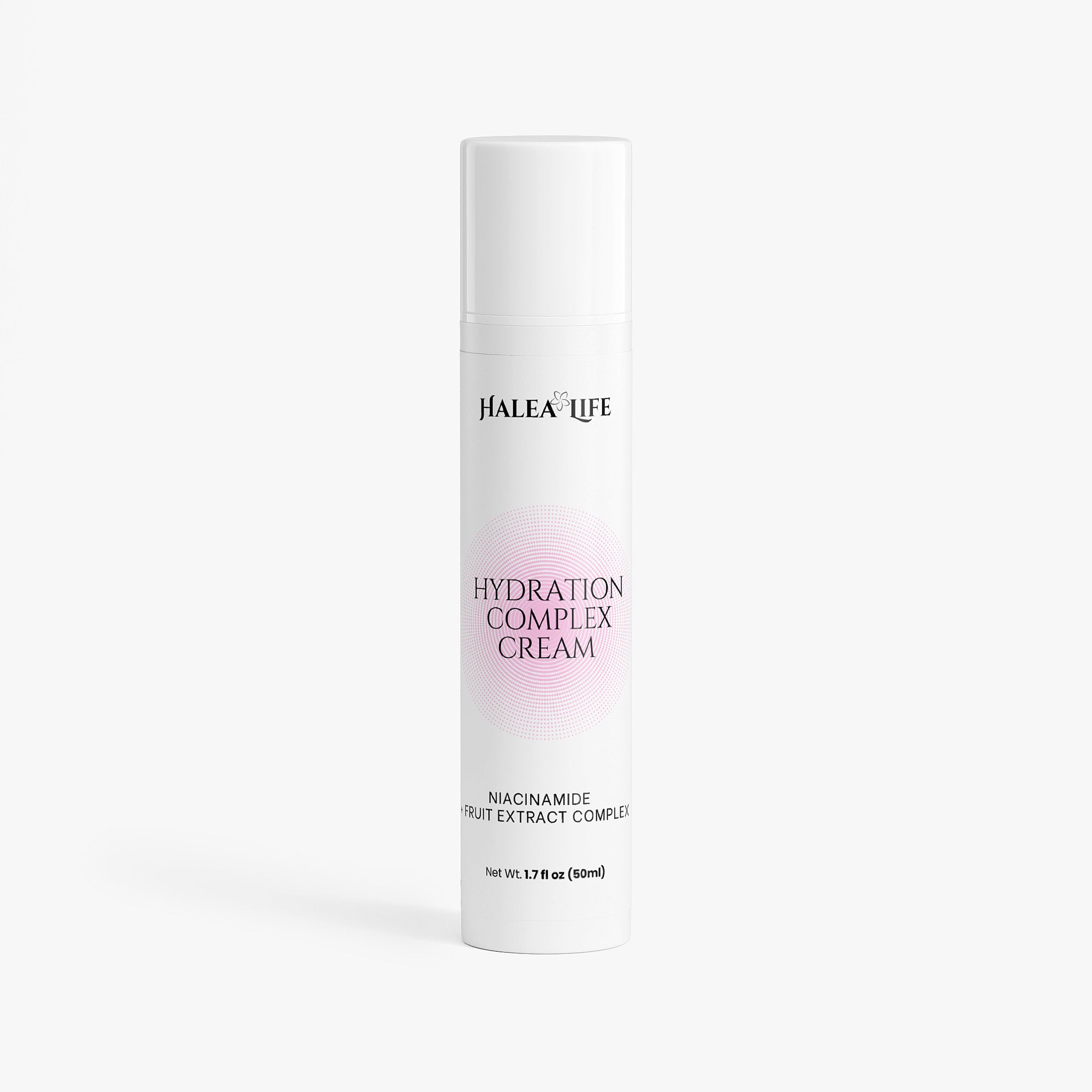
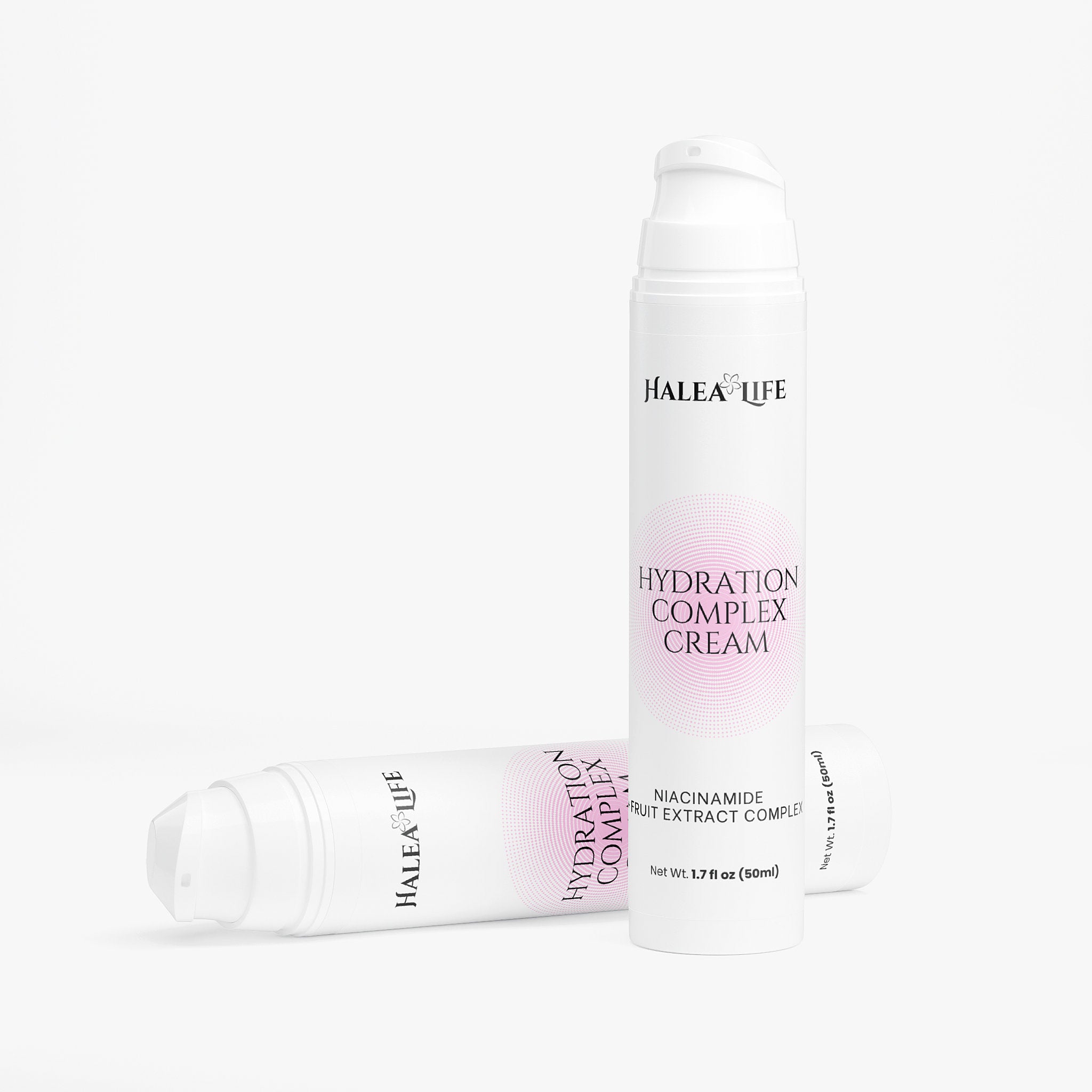
Hydration Complex Cream -
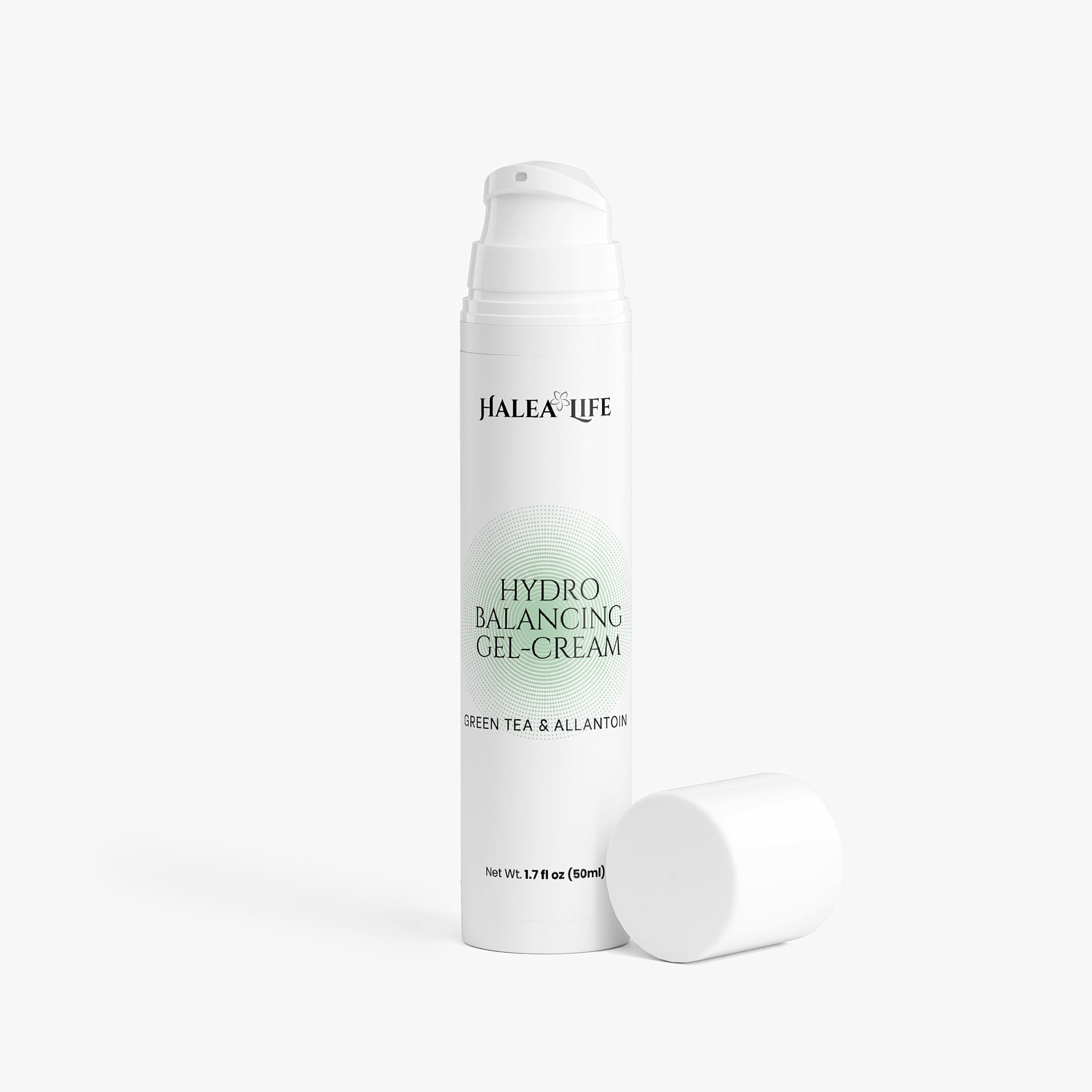
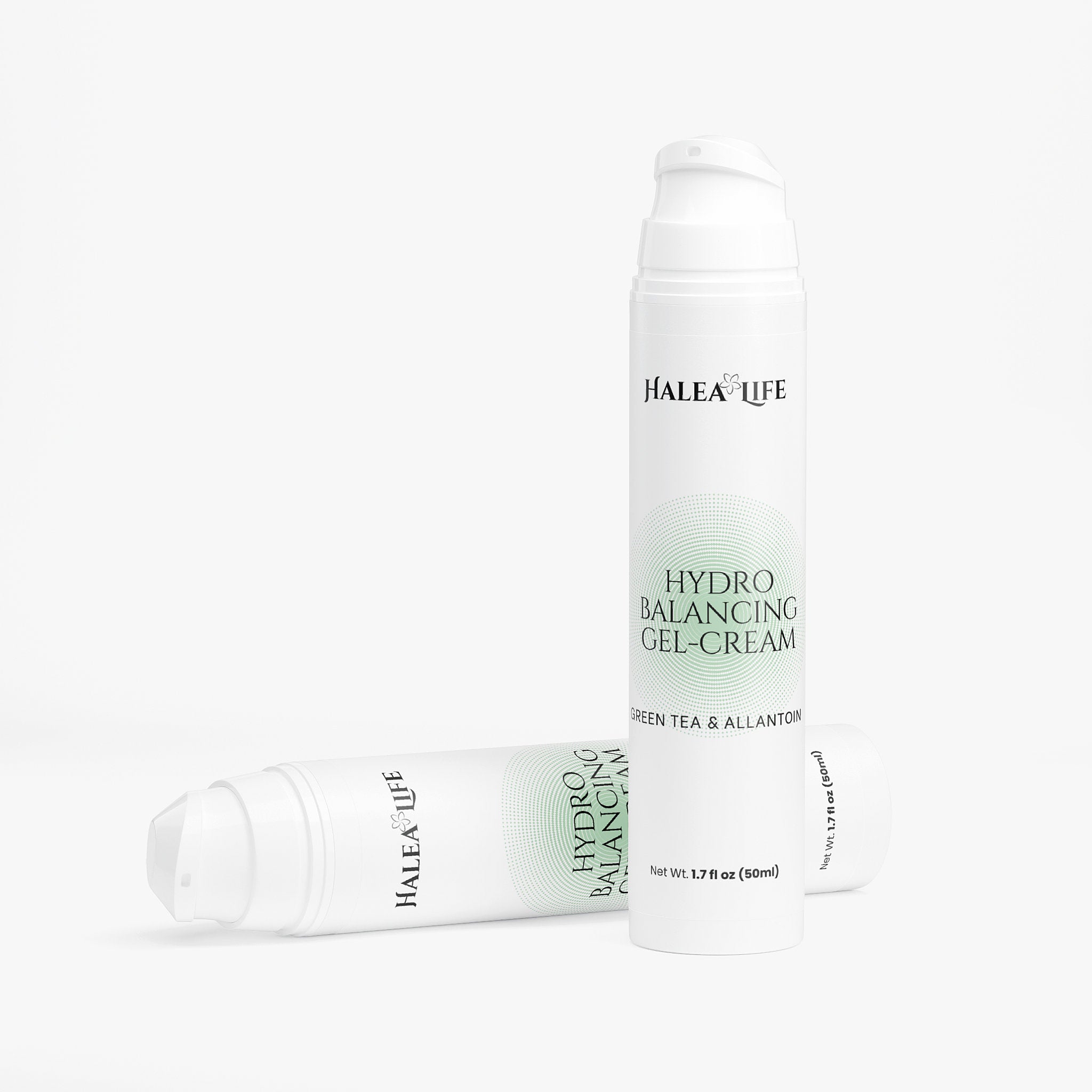
Hydro Balancing Skin Gel-Cream -
Skin Hydration Cream with Hyaluronic Acid -
Gua Sha Face Oil - Rosehip, Camellia & Vitamin E 
Gua Sha Face Oil - Rosehip, Camellia & Vitamin E
-
Renewal Retinol and Peptide Face Serum -
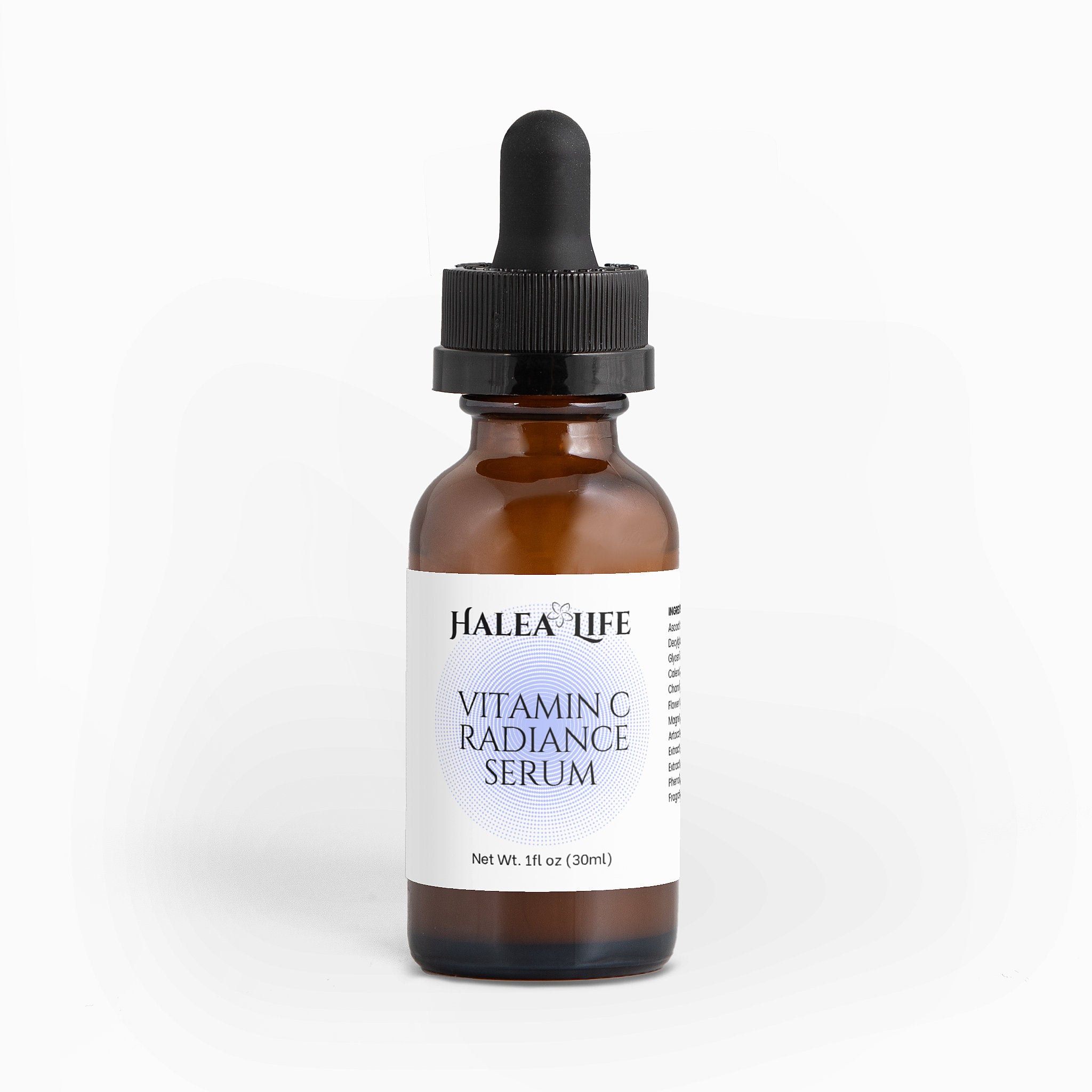
Vitamin C Serum -
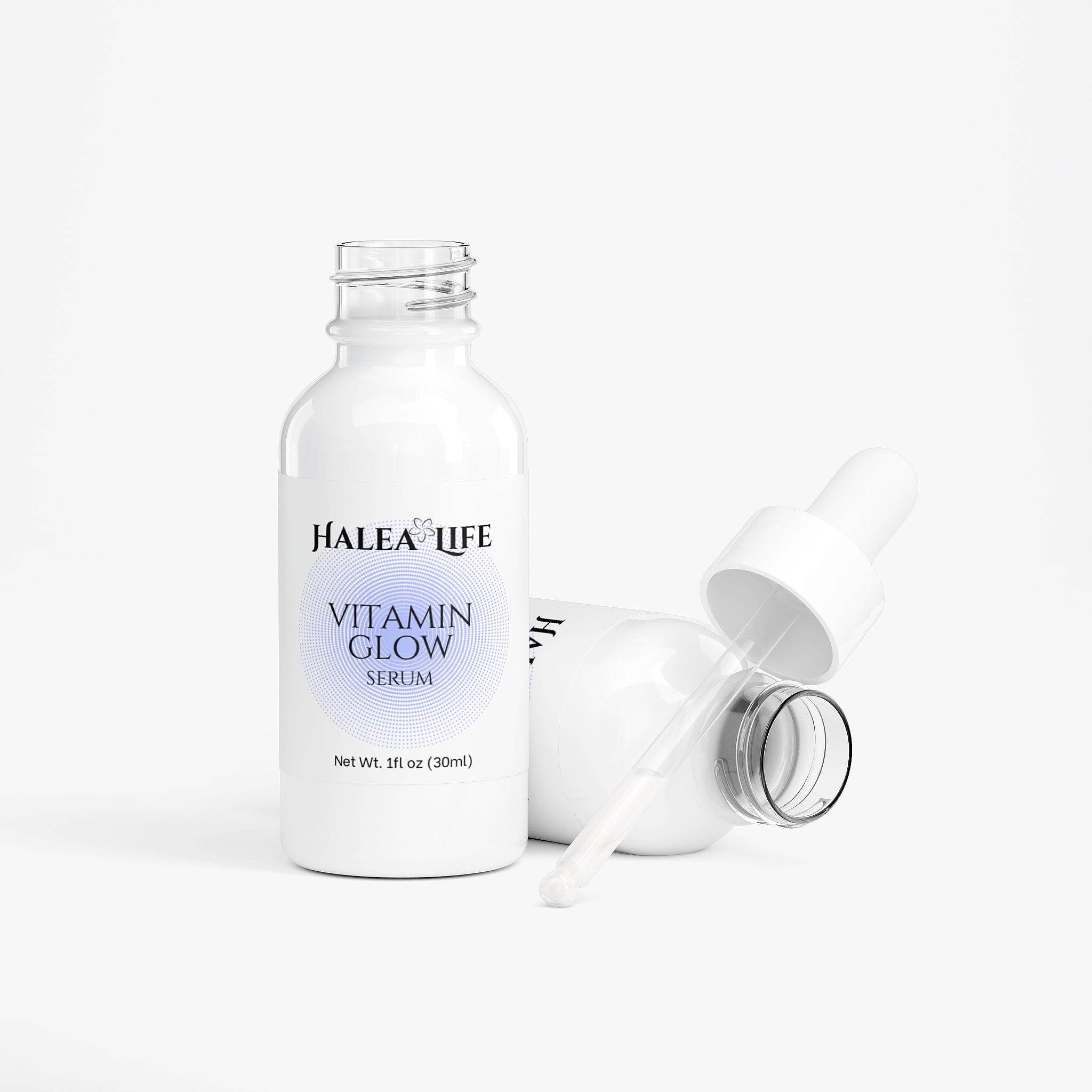
Vitamin Glow Serum - Niacinamide, Vitamin C & E 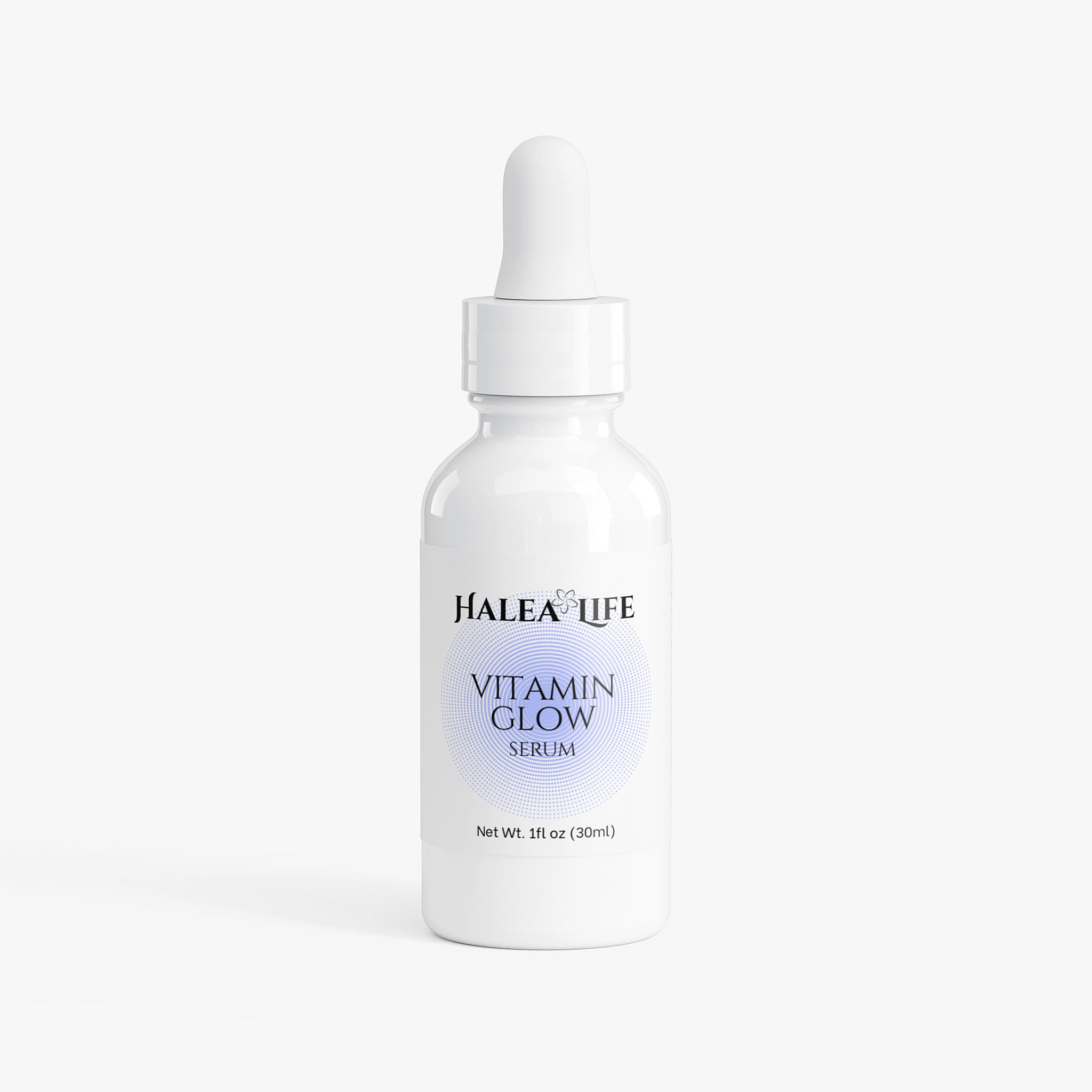
Vitamin Glow Serum - Niacinamide, Vitamin C & E
-
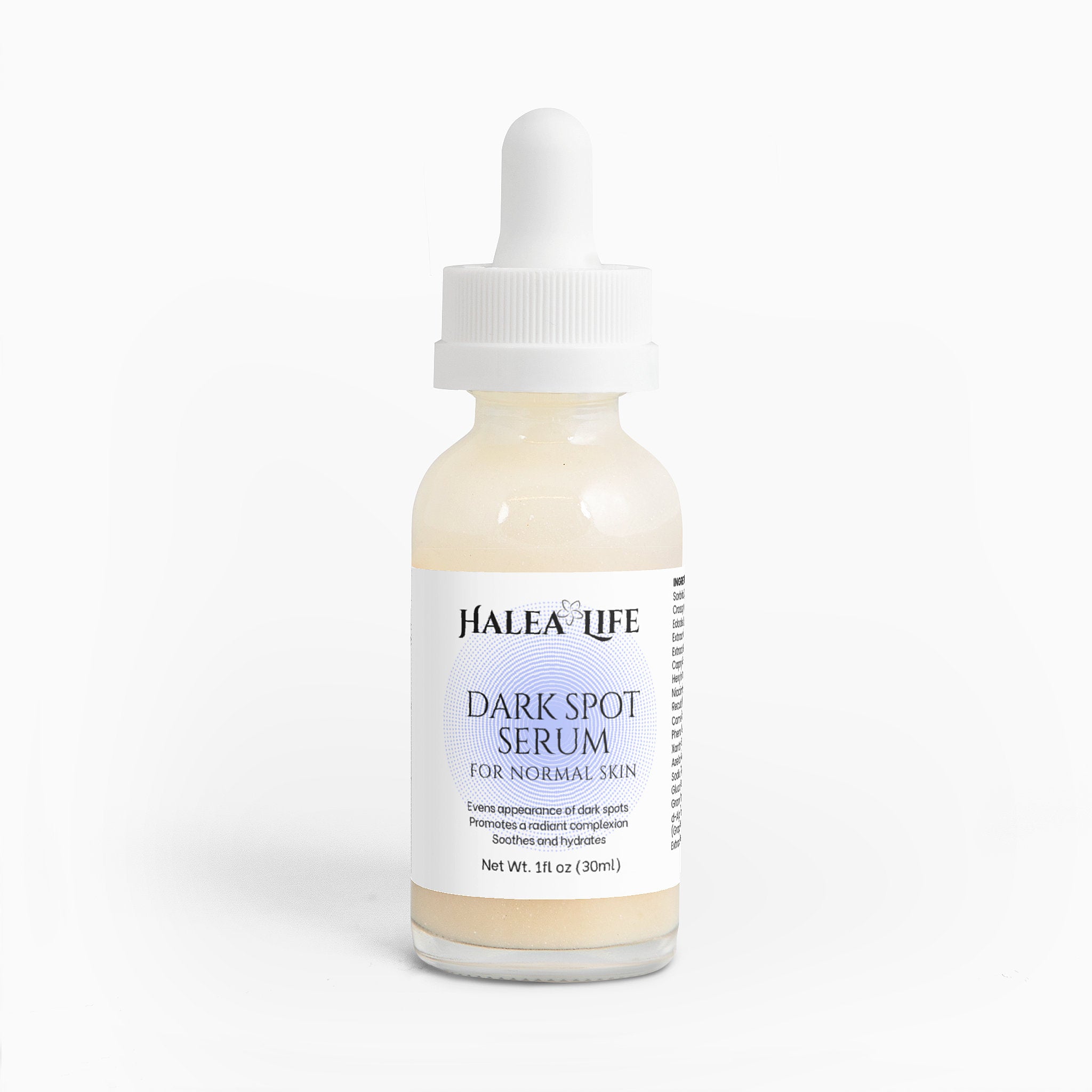
Dark Spot Serum for Normal Skin -
Dark Spot Serum for Sensitive Skin -
Snail Mucin Face Serum










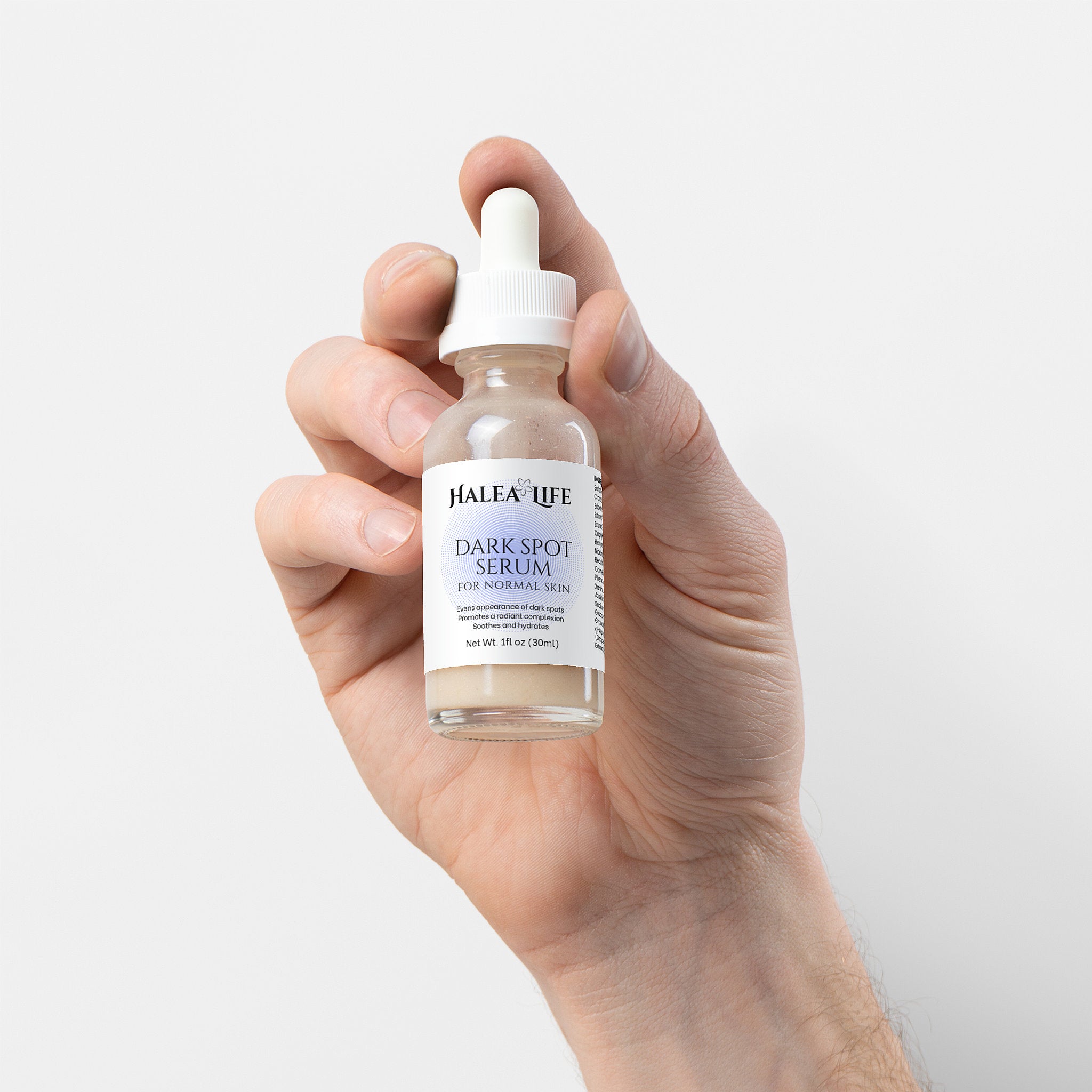
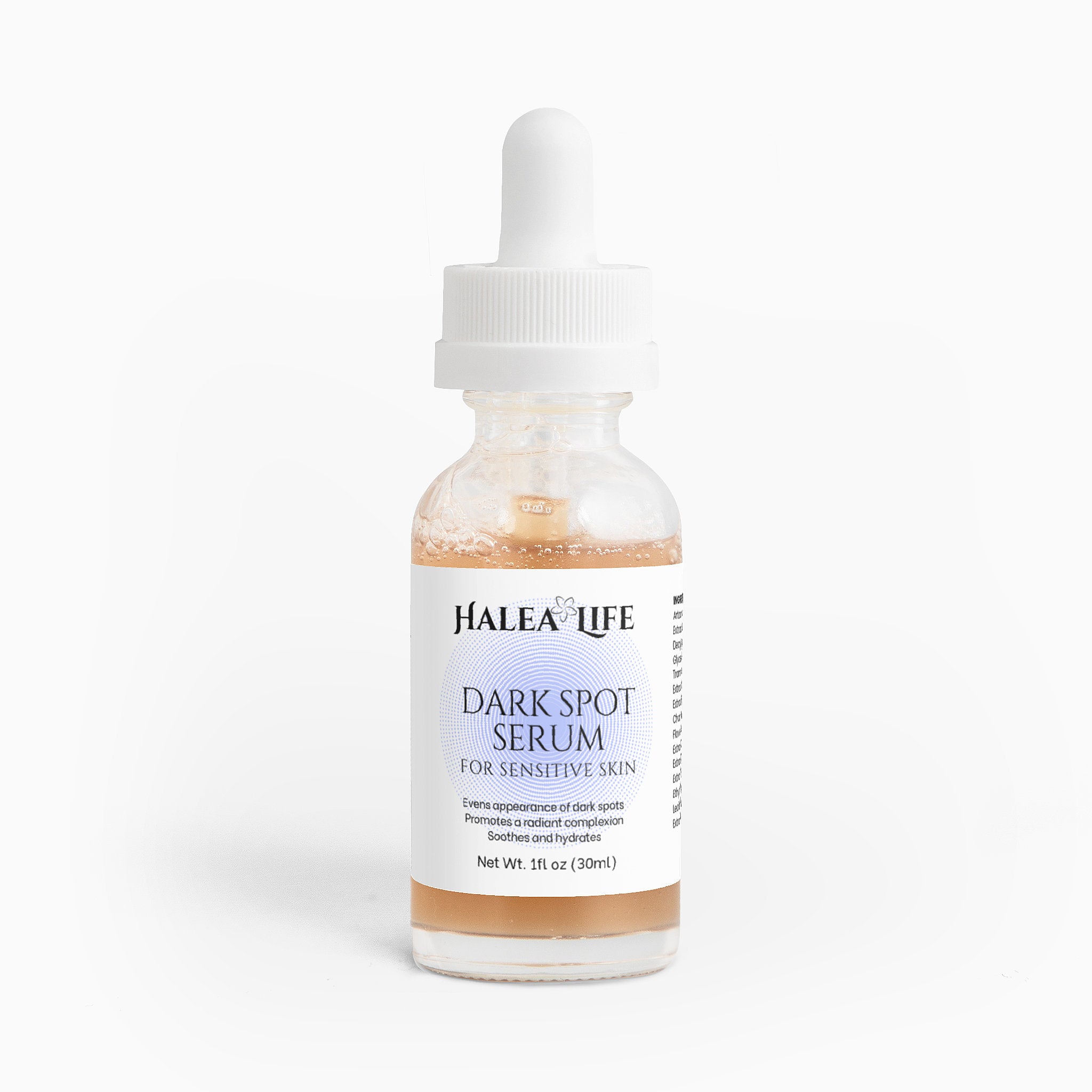



The Halea Life Difference
What Separates Active-Ingredient Skincare From Products That Look Impressive on the Shelf
The skincare industry has mastered the art of putting compelling ingredients on labels in concentrations that don't produce the effects those ingredients are known for. Retinol at 0.01% won't drive cellular turnover. Vitamin C at 5% in an unstable ascorbic acid formulation degrades on the shelf before you open it. Hyaluronic acid applied on dry skin pulls moisture out of the dermis rather than hydrating it. Peptides in a base with high pH denature before penetration. Effective active-ingredient skincare requires understanding the concentration, the delivery vehicle, the formulation pH, and the ingredient stability -- not just the ingredient list. Vitamin C (L-ascorbic acid) shows collagen synthesis stimulation and melanin inhibition at 10--20% in a pH below 3.5 -- and loses efficacy within weeks at higher pH or oxygen exposure. Retinoids (retinol, retinaldehyde, retinyl esters) drive cell turnover and upregulate collagen production through retinoic acid receptor binding -- the concentration and form determine the conversion rate to active retinoic acid. Niacinamide at 5% is the dose used in studies showing ceramide production, TEWL reduction, and hyperpigmentation fading -- not 1% added for label appeal. AHAs (glycolic, lactic acid) at 5--10% with pH 3--4 dissolve corneocyte adhesion for controlled exfoliation without physical abrasion. Peptides (Matrixyl, Argireline, copper peptides) signal fibroblasts to synthesize collagen in a concentration- and pH-dependent manner. Every Halea Life facial skincare product is formulated at the concentration and pH range documented in the literature.*
"
An ingredient in the wrong concentration, the wrong pH, or the wrong carrier does nothing. The dose and the delivery make the formula.
Halea Life -- Made for Every Stage of You
Key Actives in This Collection
Four Active Ingredient Categories and What They Do
Retinoids
Cell Turnover, Collagen, and the Gold Standard for Skin Aging
Retinoids are the most researched active ingredient category in dermatology. Retinol (converted to retinaldehyde, then to retinoic acid in the skin) upregulates collagen I and III synthesis, accelerates corneocyte turnover, reduces fine lines, and normalizes melanin distribution. The strength and speed of effect depend on the form: retinaldehyde is more potent than retinol with less irritation than prescription tretinoin. Start low, use PM only, and buffer with moisturizer when introducing retinoids to a new routine.*
Vitamin C
Antioxidant Defense, Collagen Synthesis & Brightening
L-ascorbic acid (pure Vitamin C) is the most bioavailable topical form, with documented effects on collagen synthesis stimulation (required for hydroxylation of proline and lysine in collagen structure), tyrosinase inhibition for hyperpigmentation reduction, and free radical neutralization against UV-generated reactive oxygen species. Stability is the challenge: LAA must be kept in an airtight, opaque container at pH below 3.5. Vitamin C serums in opaque, airless pumps maintain potency significantly longer than dropper bottles.*
Niacinamide & Ceramides
Barrier Repair, Pore Size & Even Skin Tone
Niacinamide (Vitamin B3) at 5% supports ceramide synthesis (strengthening the lipid barrier), reduces transepidermal water loss, visibly minimizes pore appearance, and inhibits melanosome transfer for gradual brightening. Ceramides NP, AP, and EOP -- the three most abundant in the stratum corneum -- directly reinforce the skin barrier when applied topically. Together, niacinamide and ceramides form the barrier-repair foundation that allows other actives to work without irritation.*
Peptides & AHAs
Collagen Signaling and Controlled Exfoliation
Signaling peptides (Matrixyl 3000 -- palmitoyl tripeptide-1 + palmitoyl tetrapeptide-7) act on fibroblasts to upregulate collagen and hyaluronic acid production. Neurotransmitter-inhibiting peptides (Argireline) temporarily reduce the depth of expression lines. AHAs at 5--10% with pH 3--4 dissolve the bonds between dead surface cells for controlled chemical exfoliation -- revealing brighter, more even-textured skin without the micro-tearing of physical scrubs.*
Active Ingredient Protocol
How to Layer Active Ingredients Correctly
1
Morning: Vitamin C Serum → Niacinamide Moisturizer → SPF
AM routine: Apply Vitamin C serum to clean, dry skin and allow 60 seconds to absorb. Follow with a niacinamide-containing moisturizer for barrier hydration. Finish with SPF 30+ -- Vitamin C and retinoids both increase photosensitivity, making morning sun protection non-negotiable. Do not apply Vitamin C and niacinamide simultaneously from separate products -- the combination can produce niacin flush and reduce efficacy of both; formulations that combine them are pre-balanced.*
2
Evening: AHA Exfoliant (2--3x/week) or Retinoid (alternate nights)
PM actives are high-potency -- introduce one at a time over 4 weeks before adding a second. On exfoliation nights, apply AHA 20 minutes after cleansing, allow 10 minutes dwell time, rinse, then moisturize. On retinoid nights, apply retinol or retinaldehyde to clean dry skin, wait 10 minutes, apply moisturizer over it. Do not use AHA and retinoid on the same night -- the combined pH disruption increases irritation significantly.*
3
Introduce Slowly -- Especially With Retinoids
Retinoid purging (temporary increased breakouts and flaking during cell turnover acceleration) is normal in the first 4--6 weeks. Start 1--2x per week and build to nightly over 8 weeks. Apply a thin layer -- pea-sized for the full face. Increased UV sensitivity requires daily AM SPF throughout retinoid use. The long-term benefit -- measurable collagen increase, reduced fine lines -- requires consistent 12-week use before assessment.*
4
Barrier First -- Don't Chase Actives With a Compromised Barrier
If your skin is red, flaking, tight, or stinging regularly, stop actives and rebuild the barrier first. Ceramide + hyaluronic acid moisturizers without actives for 2--4 weeks will restore the lipid barrier, after which actives can be reintroduced at lower frequency. A damaged barrier makes all actives more irritating and less effective -- active ingredients need an intact barrier to penetrate correctly rather than bypassing it and causing reactive sensitivity.*
Common Questions
Frequently Asked Questions
Yes -- with a slow introduction protocol. Sensitive skin benefits significantly from retinoids over the long term, but requires a gradual on-boarding: start with retinol 0.025--0.05% once per week, apply over moisturizer rather than directly to dry skin (the "sandwich method"), and build frequency slowly over 8 weeks. The initial flaking and sensitivity are temporary. Retinaldehyde, a mid-potency form between retinol and retinoic acid, is often better tolerated by sensitive skin than retinol.*
L-ascorbic acid oxidizes to dehydroascorbic acid and then erythrulose (orange) and other oxidation products when exposed to oxygen, light, or high pH. A slightly yellow serum is still active. An orange or brown serum has oxidized significantly and will have reduced Vitamin C activity -- though oxidized Vitamin C still provides some antioxidant benefit as an ROS scavenger, it no longer drives collagen synthesis efficiently. Store in a cool, dark location and discard if dark orange. Airless pump packaging extends shelf life substantially.*
For most people, 2--3x per week at 5--10% AHA is the right frequency. Daily use at high concentrations disrupts the acid mantle and over-strips the barrier, leading to sensitivity and reactive skin. If you've been using AHAs 2--3x per week for several months without irritation, you may tolerate more frequent use -- but more frequent exfoliation doesn't necessarily produce faster results. The skin's natural turnover cycle is 28--40 days; you're assisting that process, not replacing it.*
Retinoids -- including topical retinol -- are not recommended during pregnancy due to the teratogenic risk established for prescription retinoic acid derivatives. This precaution is applied to all retinoid forms as a precautionary measure. Vitamin C, niacinamide, hyaluronic acid, and peptides are generally considered safe for topical use during pregnancy, but consult your OB/GYN before maintaining or starting any active ingredient routine while pregnant.*
Start with one active and a good moisturizer with SPF. The most impactful single active for most goals: retinoid for anti-aging (cell turnover, collagen), Vitamin C serum for brightening and antioxidant defense, niacinamide for oily or barrier-compromised skin. Add a second active only after the first is well-tolerated -- usually 6--8 weeks. A simple, consistent routine with two well-formulated actives outperforms a complex multi-active routine used inconsistently.*
Yes -- SPF is essential when using retinoids or AHAs. These actives accelerate cell turnover, temporarily leaving newer, more UV-sensitive cells at the surface. UV exposure without SPF during retinoid use negates the collagen-stimulating benefit and increases hyperpigmentation risk. SPF 30+ daily is the minimum; SPF 50 PA++++ is preferred. Apply SPF as the final morning skincare step, after Vitamin C and moisturizer, every day regardless of cloud cover or indoor time.*